Wednesday, 25 September 2013

The Pleasure Principle!

“How are you?” – an informal, routine ‘asking after’ I did with my cousin holding a serious, strategic and stressful position in the Navy had him telling me instantly, “I am really enjoying my job.” He could have answered this commonplace question variedly but this was his instantaneous response.

I’ve had my spouse’s temperament, mood, behaviour vacillate with the periods of highs and lows at work. From euphoric to ebbed, delighted to devastated, sunshine optimistic to solemn, the dynamics at our places of work manipulate us like puppets on a string.

With anywhere between eight to 10 to 12 to 18 hours spent at work (depending on the outpost you man in which corner of the globe), and with work related matters or its influences lingering on the remaining 12 or eight hours too, it is our professional lives that have such a stranglehold on the rest that remains of us.

In general, everyone’s life and work-life has its share of crests and troughs, sometimes fair, many times not so.

With so much at stake on the work table, it only makes wise sense to create a set of pleasant, happy experiences in that all-important zone.  Let us look at the times we ride the high wave and reflect on the reasons and contributing factors intently, so that we can endeavour to extend the ride for greater times much more than the lows we are bound to hit upon.

Here are my examples and the related influencers that have helped me enjoy my work to the hilt and stay happy in my other roles as well. Each of them have created a deep sense of pleasure that then translates into enthusiasm, commitment, dedication and desire for excellence. See if they resonate with you too!

1. Faith –


I have been wildly ecstatic and driven when my employers or bosses have shown their faith in me, my perspicacity and the entire package I bring in.

Earlier on in the day, I was somewhat disenchanted with the proceedings at a Diplomatic Mission I used to work for and applied for transfer to another department whose chief was trying to poach me for some time. My immediate boss had a closed door with me where he conveyed what he felt about my contribution. He further added how he foresaw a long and productive career for me in Public Relations, given my inclination and skill set. On hindsight, I am, today, grateful for his faith in me and glad that I listened to him.

Another time, while with a leading hotel, I was dealing with a snooty Celebrity Fashion Designer who was just so full of himself. That would have been fine, if he had not tried to take advantage of the hotel’s association in hosting his Annual Fashion Show. He wanted to short change the hotel on branding opportunities, take away the Backdrop exposure, tilt the number of guests in his favour………basically he wanted to  get away from his part of the deal and wished for free hosting. I dug my heels; he felt offended and threatened to speak to the Owner of the hotel chain to get the door shown to me. Mind you, he did carry out the threat once the show was over. In stepped the General Manager, my immediate boss, who conveyed our side of the story to the Owner - an intelligent, impartial and objective man.  Both of them showed faith in my loyalty to the Company, my sincerity towards the responsibility entrusted in me and my track record in handling guests with sensitivity. As a result, I continued working for the Brand for a sizeable time, felt duty bound and principled enough to give it my best at all times and once I stepped out, I continued to harbour a great feeling for the Brand and its people so much so that I carried on being the unofficial ambassador of the chain.

Aren’t we all good ambassadors for the great companies we get to work with even when we are no longer with them, on account of our experiences? On the flip side, we will seldom have good things to say about places that have sent us to hell and back!

2. Value –


 This factor works in two ways. We must bring unique value to the table to gain recognition and feel a deep sense of employee engagement. On the other hand, the system must be fair and the sheriffs wise to value good work and cherish good people.

Every time I have felt valued, I have gone beyond the brief to deliver much more than what is expected. Contrary to this, if my work and efforts have been viewed with a jaundiced eye and under the shadow of biases, I have felt my enthusiasm sapped and my energy depleted.

At a certain hotel of repute with a substantial marketing budget, the General Manager asked me to conduct Focus Group based surveys and develop a tome on ‘Image Study and Positioning Analysis’ for the Brand at large and three key Points of Sale that influenced the image and brought in revenue. I felt so valued and well-regarded that for a period of little more than a month, I burned the midnight oil at work (pretty late even by hotel standards!) crunching numbers, drawing charts, analyzing responses to develop a Study that would be benchmarked against in the times to come. My boss, like the proud mentor, presented it to the Board and the positive feedback that gushed down to me created a huge reservoir of pleasure and satisfaction.

Not only did my boss convey his belief in me but also showed conviction in my ability, so much so that I tapped resources and nous and reached up to such levels of competence that I did not know existed within me.    

3. Respect –
There was this indirect boss I had once, who would storm into my office, sit in my chair, take something I wrote to the MD and present as her own, not introduce me to industry folks she would meet along with me, behave like a Diva at Press lunches and ignore the lesser known media.

Her behaviour was such that it always felt that she was utterly disrespectful. Whether it was insecurity or a swollen head or greed for more power and control, the lady was seen to be insufferable and lacking respect towards others. And she was definitely one of the top reasons why I decided to move out from that hotel, despite her pleading and promising to mend her ways.

On my first real job, two years down the road, I was part of the integral team organising Australia’s first ever and biggest country promotion in India. As part of the big plan, I found myself on the media team of Australia’s Foreign Minister. At the end of a highly successful media briefing that was extremely well covered and beyond the Minister’s expectation, Minister Downer (the F.M then) turned around to the Counsellor Public Affairs to thank her publicly in front of the entire august assembly. I was taken by surprise when the Counsellor told the Minister that it was not her but I who was responsible for the show and deserved the credit. She needn’t have done so because I was just doing my job and was part of her mega team. But she did, openly and proudly. She not only showed that she was consummately confident and self-sure but also displayed a fine attribute of leadership, thus imparting a valuable lesson for life – that she highly-regarded good work and more importantly respected her colleagues regardless of the corporate rung they stood on.

The pretty, dynamic, fair and knowledgeable Public Affairs Counsellor became my first mentor and I am so proud to state that she has left behind such wonderful lessons single-handedly that even text books of profound theory and practicals at other places of work have failed to imprint collectively. 

4. Bonhomie with other team members


Because we spend so much of our time at work and with colleagues that it would be counter-productive and unhealthy – both for the body and the mind, to work in unfriendly, unhappy, stressed and strained environment.

Whether it has been spending a little time joking around with people from the other teams, bonding at the Bowling Alley, having a colleague step into my chamber to coax me to have my daily fill of water or share anecdotes from his latest business trip, spending the extra few minutes at lunch exchanging notes on strategies or shopping sales with another set, having a co-worker good-naturedly pull my leg about a common incident, stepping casually into the Financial Controller’s office to informally learn how to read the balance sheet but at the same time getting to know his wife and new born just that tad better, enjoying an impromptu pizza party after a serious day of inter-departmental training programme, making plans with a bunch of like-minded people to catch that wonderful art exhibition after work – the riding spirit of bonhomie has created a sense of joie de vivre, helped beat inherent stress, led to better work relationships, facilitated smooth working on common projects and has been instrumental in ensuring less absenteeism and more happy work days.

5. Positive challenges

For most of us our work must be stimulating, exciting and far removed from the cookie-cutter hum drum of monotonous activity. And for all of us, there have to be experiences that we learn from, that stretch our skills and knowledge to fascinating limits which help us expand our base.

The milestones - when I first imparted media training to talents in the hotel, handled research for launching the new Patisserie or Spa, designed my first Newsletter or Menu, wrote the Keynote address for the international Chain’s Top Dog, wrote my first manual, scripted the Art Tour for the historic property I worked with, created a unique Celebrity endorsed event to garner greater sales for a sagging restaurant and all the others - are etched in the positive zone of my mind. They have created happy memories, delightful mnemonics and such wonderful pockets of pleasure that I enjoy re-visiting them often and reap the learnings repeatedly.

For retention, for extraordinary performance, for employee commitment and involvement, for overall learning and development and for sound organizational health, companies must throw up positive challenges that the best people will shine in, the somewhat weak people will gainfully learn from and the weakest links will fall off from, thereby reinstating a fruitful balance.

6. Growth

Most of us, in our distinct areas and diverse companies are standing on different steps of the ladder from which we must grow, horizontally and vertically. Growth is sought as much by the entrant as by the General Manager of the Hotel, Chief Executive of the Company or Owner of the Chain of hotels.

In face of all the problems, trials and tribulations, vicissitudes, rough patches and coarse paths that beset our journey on way to our respective goals and destination, it is the promise of growth that keeps us tilling the fields. It is the prospect of growth that pushes us to keep the soil fertile with the knowledge gained along the way and our set of rich experiences to, then, be able to reap the fruits that come in the shape of satisfaction, success, rewards and recognition.

It is the elements of growth that bring us back to our work stations day after day. Even when we hit the lows, it is the aspect of growth that ushers in positivity of hope and helps us tide over the difficult times making sure that we do not waver our glance from the fish eye in the bigger scheme of our life and career goals.

What is rather nice and satisfying is that when we move up we grow; also when we acquire a new skill and increase our base of knowledge we still grow horizontally. When we must leave a familiar area and are coerced to chart a new course in a direction not tried before, we have to reinvent ourselves; and that again means growth.

Growth, then, becomes the life blood of our existence and is the foundation for our sustenance.

Would you agree with me that these six essentials of pleasure principle not only help us ride the crests with enthusiasm and aplomb but also send gusts of wind beneath our sails and give us wings to fly over any situation, how hard or harsh it may be!

                                                                ************
Picture courtesy - Google Images

Wednesday, 28 August 2013

Do you want to be Successful? Here’s how!


As a keen observer of people from different walks of life and their behaviour, I have come to the conclusion that success is not only the life-force of an Identity, but that it is also subjective. While each of us may dance to a different music, beat our own course on virgin path, look at possibilities with our unique pair of eyes and give distinct shapes to our professional destiny moulding the clay of nous and effort in our separate ways; the bottom line for measuring success remains universally the same. You ought to be the best in what you do, deliver to the best of your ability and strive for greater excellence at all times; it is then that you are truly successful.

Defining Success


While to the world, in its most generic manifestation, the rich entrepreneurs and businessmen, the heads of organizations, famous people in sports, media and entertainment are all supremely successful, I have a skewed view on that. To my mind the cobbler-by-the-street corner who has been practicing his craft over all these years and has become the block / colony favourite is a successful man. The deft nurse who gets asked for by most of the patients, the one who does her work with utmost sincerity to the Hippocratic Oath and ably assists the doctor in saving many lives yet many a times remains nameless, is a successful health provider. The teacher who has earned a reputation of churning out students who go on to become stars in their chosen profession, who however stays on at the same school year after year content with practicing her job to the best of her knowledge and with a rare sense of commitment, is a highly successful Guru.

In the hotel scenario, would a hotel be able to justify its luxury, five-star tag if it were not for that immaculate bottle washer,  the finicky, squeaky clean housekeeper, the superlatively creative chef brigade, the committed and competitive sales force, the safety conscious and energy saving engineering team, the finest florist whose handiwork leaves such an impression on the guests that they may return to the place just for the fantastic arrangements that stay on the conversations long after the guest has gone back to his native place.

Many years back we had a lady who used to work for us at home, tending to our domestic needs. Like other members of her profession, she worked in several other houses besides ours. But what stood her apart was that she was never short of work. People asked for her to come and join their households, she was bestowed with a lot of gifts both on occasions and otherwise. We took turns in giving her money if she ran out of cash or needed the extra buck for getting herself or her husband treated. When she decided to leave this line and join a school as an administrative support, we all gave her glowing references – all true, mind you. Even now she visits us and is welcome anytime. And I think she is one of the most successful people I know. She is not rich, mighty or famous, but she IS successful.


If Sunita Williams is a successful astronaut and Neil Armstrong the first successful man on Moon, so are the set of skilled workers who work hard to ensure that every cog in the wheel of their spaceship works smoothly. If the flamboyant striker in a football league team is successful then so is the goalie who does not drop even a single ball.

If we must take names of the very famous from the world of hospitality, then Cesar Ritz, Conrad Hilton, Bill Marriott Jr., Barry Sternlicht, Jay Pritzker, PRS Biki Oberoi, Ian Schrager, Isadore Sharp, Horst Shulze are such legendary stalwarts who have shaped the way we will ever view hotels. These geniuses have changed the rules of the game uplifting simple inn-keeping to the art of selling desire and dreams, luxurious living and hedonistic lifestyles. But would these greats be such impresarios and game changers if it were not for the army of successful valets, hops, attendants, Chauffeurs, chefs, bakers, bed makers, sentries and sales people – all led to business victories by star General Managers who remain the chief custodian of the brand image and ethos!  


As said before, way to success is individualistic with personal preferences defining the modus operandi to get to the final destination. Perhaps, one hotelier is a populist, has a lot of yearning and ambitious desire, is hungry for recognition and for being the best in whatever he does and plays unabashedly to the gallery. He has a deep need to be the number one in whatever he chooses to dabble in – casinos, cruises, adventure resorts, even awards and the recognized lists of the rich and famous. The second could be more niche, like to do only what he really likes to do; runs wonderfully innovative and creative hotels yet shuns the arc lights and turns down millions of bucks offered by Corporates wishing to partner with him. He may have a maverick inclination in his business sense, follow his heart and break several moulds in the process. The third hotelier may cash in on his personal strengths – flamboyance in personality, ability to attract media attention, developing creatively out-of-this-world sub-models within his brand and is a trailblazer in his thoughts and product development. All three hotelier types have been seen to be superbly successful in the world of hotels, yet each has a different approach or strategy. Three distinctive personalities, three strategies and three success stories!

It is an established fact that caste, creed, colour and social standing have no bearing on success. However, there are several common threads that run through successful people in their respective ilk and genré.

Four Attributes of Success –

Hard / Smart Work


The first thread or quality definitely is hard work or smart work. If you need to get somewhere you will have to burn the midnight oil to get there. There are no short cuts or quick fixes. Henry Wadsworth Longfellow uttered the following famous words, definitely my favourite quote –

Lives of great men reached and kept
Were not obtained by sudden flight;
They while their companions slept
Were toiling upwards in the night.

That was then, but even now look at the success stories of the geek-entrepreneurs dotting the Silicon Valley skyline and you will discover that many of these young guns end up sleeping for only a few hours putting in 18 working hours to realize their dreams. I am not advocating less sleep. What is being said is that one must be able to deliver more and surpass expectation.

If you want to be promoted, if you want to move up the corporate ladder then you need to be a fast, smart worker who packs in quite a punch in terms of his deliverables, quality and quantum of work.

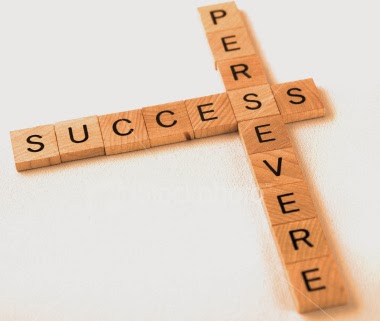
Perseverance


The second quality would be persistence, perseverance and a consistent internal push. We would not have had light bulbs or telephones or planes or the revolutionizing concepts of relativity and Archimedes principle, to cite a few examples, had it not been for the never-say-die spirit of these zealous, determined folk. How many times have we been told by our seniors – If you try and fail once then try again. Would any of us have learnt any of the stuff we did while growing up, be it academics, sport, dramatics, elocution or hobbies had we just tried them once and not gone back, again and again? Ask the innovators, writers, scientists, manufacturers and entrepreneurs and they will reel off some mind boggling numbers for the times they tried, failed, tried again, failed once again, re-attempted ………………till they finally succeeded.

With persistence I would link in grit and tenacity that keeps you in the groove of your chosen activity.

So go for it and keep going till you get there.

Passion
 
The third most important quality is, undoubtedly, passion. That definitely is the main driver in your path to success. If you don’t let that little light within you extinguish or quell the inner voice that eggs you on and if you keep the fire in your belly alive and stoked then it is passion that does it for you. It is passion that keeps you motivated in the face of flak, failure or fear.

Fervour, ardour, enthusiasm, zeal, craze, drive - call it by any name but it is passion that is your undying spirit which keeps your dreams alive and brings you a step closer to your coveted calling.

Vincent van Gogh, Christopher Columbus, Johann Sebastian Bach, King “Tut” Tutankhamun, John Keats are some of the world’s super famous and successful who either died poor or unknown and gained fame only posthumously. But it was their unstinting passion that kept them at it as they went about churning masterpieces after masterpieces.

Serendipity

If I could get to vote a fourth quality then it would be serendipity. The streak that sees the need, that truly believes that necessity is the mother of invention, that takes risks and craves for finding the extraordinary among the ordinary.  The DNA that stays dynamic and active in the subconscious yet yields happy, useful, accidental discoveries by chance. It is the curious, insatiable spirit and the un-accepting diehard mind that urges you to pave a new road, YOUR course in a direction uncharted before.

The ‘W’ Factor


To sum up, lets coin the ‘W’ factor – Winning attitude with a high winsome quotient; Want as in desire or ambition; Way as in methodology, strategy, action plan; Wisdom as in assimilation of knowledge with practicality; Why – the curiosity, the thirst to know more and do more; Where to – the vision, the far sightedness; Will as in determination and fanaticism and finally Worship – by that I mean faith, veneration of the one above (whatever shape and form he or she takes for you) and a belief in yourself as an integral part of HIS universe.

Therefore, success is an attitude and a way of life. And yes, nothing succeeds like success!

                                                                        **********


Note - Picture courtesy - Google Images

Thursday, 8 August 2013

Acclimatizing for Above target Achievement!


Organisations are really microcosms of the larger universe we live in. Hence they can be hot, cold, tropical or temperate. They can also be dry, balmy, Mediterranean or equatorial. The combined energy stemming from the top and flowing through all its elements makes them so.

Organisations are also carbon copies of the people who inhabit these institutions. While a lot of emphasis is given to well-designed buildings, defining looks in terms of the exterior and ergonomic layouts within, what forms the core is the characteristics the organisations imbibe from the organisational denizens. And by this analogy, organizations can be ethical, temperamental, dictatorial, friendly & warm, manipulating & politically charged and so on.

Finally, what really shape the organisational climate are the dominant traits of the top leader at its helm. So whether the top dog is fair, biased, aggressive, assimilative, open-minded and inclusive or clique and coterie centered, insecure or confident, the organisation tends to take on similar features and harbour the climate that screams of the same defining set of behavioural facets.

What Shapes Employee Behaviour?


Wikipedia defines organisational climate thus – “Organisational climate (sometimes known as Corporate Climate) is the process of quantifying the “culture” of an organisation. It is a set of properties of the work environment, perceived directly or indirectly by the employees, that is assumed to be a major force in influencing employee behaviour.” What must be added is that, the Climate is actually a derivative of the employee bearing and actions intertwined with the Company brand philosophy. On the other hand, well set organisational climate shapes up employee deportment and impacts their efforts. It is, indeed, a complexly circular relationship with one being the causing agent of another and vice versa.

Nationalities do play an important role in defining organisational climate. So, there would be different organisational cultures in America or Europe that would differ from what exists in Africa or Asia. We have heard enough about how Americans or French or Japanese or Chinese or Indians work in their own milieu. And several hand books have been written on how to understand, perform and survive in these varying cultures. But then with decreased geographical distances by virtue of shorter time spans required to travel around and increased virtual and technology thrusts, organisations have fast become multicultural and multinational bodies that should and have allowed thriving of people from different cultures, have respected the cultural sensibilities while all the time ensuring that it all dovetails back into the common vision and mission of the organisation at large.

Organisational Culture as a Product of the Nature of Business


Secondly, nature of business plays a key role in defining the organisational culture. Therefore, government bodies function and feel differently from private companies. Old world professions like hospitals, hotels, banks etc. tend to be more formal than the relatively new businesses such as software firms, advertising agencies, media organisations or FMCG enterprises, where the culture is more informal, less starchy and more yuppy. So, while all-week Friday dressing or addressing the boss by his first name or grabbing a sandwich lunch while at one’s work station or engaging in informal and impromptu discussions in the corridors are all part and parcel of working in such organisations, all this would be simply sacrilege in the formal establishments.

But what is single-handedly most important in defining an organisation is the set of soft qualities that the employees and chiefly the top leadership bring into the organisation. This, in fact, becomes one of the major rationales for the reputation oscillating between - does the organisation manage to attract and retain good talent or is hiring, firing and frequent resigning more the norm at this place. These parameters essentially define whether the organisation is known for its best practices and often comes out on top of the most respected organisations’ surveys year after year or is it a place where people may come for short gains and quick trials, where they end up making as swift an exit as their entry.

A few years back, my young para-legal expert and social activist niece came back one evening broken and shattered from her work place that had not only formed the foundation but also helped define her professional identity for the last three years. Her main set of grouses were – there was a huge amount of incongruence between what she was expected to do and was being asked to do; with no clear definition of her roles and no proper direction from a supervising authority she was being made to run around like a headless chicken, that the top boss was whimsical, highly temperamental and given to loud & severe emotional outbursts that would end up sapping a lot of positive energy and enthusiasm, that a lot of colleagues contributed to and festered on malefic grapevine which ended up becoming fodder for the daily news and basis for the existing, rotting climate within the organisation. So much so that double promotions in a year and increase in salary structure were not proving to be strong retaining factors as against the severely damaging and driving out forces that lurked within.

Leadership Key to Healthy Organisation


In one’s career history, while growth and better opportunity are often the crucial reasons for moving out from one and into another organisation, the other main reason that seldom gets talked about openly is a huge sense of disenchantment or dissatisfaction or unhappiness stemming from a sour equation with an immediate boss or the super boss or the politically charged peer group that makes it difficult for one to perform optimally. Difficult and unreasonable bosses or a set of ogre-like colleagues is in fact a bigger, often unspoken reason for people to move and seek greener pastures elsewhere. Several HR studies, globally, have proved this fact time and again. 

In the early 1990s, as a young, sprightly fresher with rose-tinted glasses I joined the Public Affairs Section of a Diplomatic Mission in Delhi. This was my second job and I had often heard that it was Asians who were more clique-y, gossipy, with inherent biases and prone to apple-polishing. So, imagine my astonishment when I found some of my Western colleagues as guilty as their Asian counterparts. My first reaction was, “Hell! Here too!” And the second more thought after, “We all are the same beneath the veneer.”

My first boss here was a grouchy, somewhat mean, cranky man given to favouritism and unpleasant disposition.  He was tendentious towards one single person – obviously his favourite – instead of treating the entire team fairly so much so that this person embodied the same attributes as the boss, adding extra doses of her viciousness to it. At one time when I was working along with her, she would rejoice in giving me some of the most menial tasks – “just do the filing,” “get me connected to so and so on the phone,” – and had the audacity to keep the official files hidden away and stashed under lock and key lest I lay my hands on them even when I had to file. Mind you, this was no confidential data but the ludicrous behavior continued, fanned by the boss’ strong inclination towards this person that allowed for many such unprofessional acts to flourish in the department. Then one day this boss was transferred out and in came a breath of fresh air in the form of a youthful, dynamic lady who brought in a sea change in the department in terms of how we viewed PR work, how we regarded each other as colleagues, how our work was perceived by other departments and the parent Government we had to report back to. What came across bright and clear were two different modes of leadership, two distinct personalities who contributed in their own way to the manner the department looked, breathed, felt and delivered. While one was a negative influence, the other used her high standard of skills, fine leadership style, fair & equal opportunity approach to make every work day a fun and productive day and ended up turning the Public Affairs Department into a highly respected and sought after department in the High Commission.

Leaders can Make or Break an Organisation


My next stint for a period of more than a decade and a half has been with hotels. Now, hotels are completely multicultural organisations where the work force is truly international, hailing from different countries, of course the largest base is of the countrymen from the place where the hotel is located. Yet, in hotels it becomes extremely pertinent to know how to work together with people from as far and wide as France and Germany to Sri Lanka and China. Despite the cultural differences, this ends up adding a lot of fun elements to one’s day in the life of the organisation as you end up learning about these cultures and understanding what makes the ‘other’ people tick. This, however, is subject matter of another discourse.

In hotels, while the owner or the CEO of the hotel chain is the defining personality, the GM of the unit hotel where you may work is the lord of his own fiefdom and the team and staff pick out from this leader’s personality aspects and way of running his hotel as much as the top boss’ style percolates down.

On hindsight, having worked with six different GMs across three hotel chains, I have been fortunate to sometimes thrive and at times strive & struggle in as many organisational climates. And where there has been striving, it really has been a battlefront that has made one as hard as a rock, yet more understanding of the complexities and dynamics of a fire-pit organisation.

It has also brought home the point that leaders can really make or break an organisation. Not just what corporate literature may tell you, from personal experience, too, I can list out that –

1. The organisation can be a happy and fun place to which you look forward to returning every morning and to which you willingly want to give extra hours at the end of the day. Such organisations create an overriding sense of job engagement and satisfaction.

2. It can be such that each day, nay, moment is difficult to pass with an impossible boss breathing menacingly down your neck and wicked set of colleagues rubbing their hands in malicious glee every time they pull you down like the proverbial Indian crab.

3. The organisation can be healthy, conducive to work with unsurpassed functionality and highly ethical work practices. Responsibilities and recognition, exemplary output and rewards go hand in hand in such places.

4. It can be sick, divisive, undermining and demoralizing. What might get you ahead is hoodwinking and proximity to the influential people like the bosses or the boss’ right hand man; even if such easily ill-gotten prizes are short-lived and pen to scrutiny.

5. The organisation can be a place that allows you to blossom as a star worker with positive strokes that help germinate your skills and talent into wonderful fruits of productivity.

6. It can also be a place where there is so much of negative energy that all that can flower there is more bad blood splattered about by parasitic employees who eat into the climate.
  
7. The organisation can be a place where workers breathe in fresh air, enjoy positive influences, are allowed space to make mistakes and grow, have access to information, become a two way process in clear communication and are given learning opportunities.

8. Then there are organisations that live in the dark zone of fear, punishment, connivance and control. They operate like secret missions where unnecessary stuff is hidden and kept out of reach of the employees thereby acting as major impediment in the processes and execution of duty.

9. There are healthy and buzzing organisations that promote good work practices, innovation and creativity and encourage workers to take ownership of their actions.

10. And there are organisations where flattery, manipulation, bad performances, terrible attitudes and overall downward slope in almost all areas rule the roost. 


It has been a grave Human Resource issue when bad organisational climate leads to absenteeism, increased number of sick leaves, wastage of a multitude of man hours, loss in yield, both individual and collective, and a sharp blow to the bottom line. 

On the other hand, a good and healthy organisational climate is promoting, nurturing, encouraging and leads to brilliance in work and success in business.  

Organisations need to realize and take into account the huge amounts of time, energy and money they lose not only when good, well-trained and high performing employees leave but also when they continue to house under-performing, negative and poorly trained workforce that is more of a drain on the company’s resources as against the miniscule nothings that it ends up bringing to the table.

Organisational climate should feed off Organisational culture which in turn should be laid on the foundation of trust, respect, honesty, pleasantness, growth and excellence.

                                                                         **********
Note - Picture courtesy - Google Images


Tuesday, 30 July 2013

Seven Cardinal Sins Committed by an Hotelier!


Hoteliering is an exciting business with never a dull moment on either side of the continuum, running from good to bad. Hotels are, truly, a line of business on steroids. They never sleep, they never take leaves. There are no summer offs or Christmas breaks; in fact some of the traditional festive times when the entire world seems to shut down are the peak season time for hotels. War or peace, bad or robust economy, change in the country’s government, change in the hotel chain’s ownership or management – hotels never seem to close down. Even under bombings or terror strike, hotels manage to spring back into action in no time.

With such frenetic activity at play, driven by people of all creed, caste, colour, culture; hotels become hotbeds of frayed nerves, sharp tempers, low immunity, people short-circuiting driven maniacally by high expectations and forever-burning fire in the belly to deliver and over-deliver.

Hence, it is but natural that we as hoteliers are prone to committing some of the Cardinal sins; all in a day’s work.

These thoughts are meant to guide us back on the track of righteousness and nudge us into fair play. The little reminder (borrowed from the Bible and Dante’s The Divine Comedy) at the end of each sin is intended to serve as an instant deterrent. Here follow, in alphabetical order, the seven deadly sins that we can consciously or subconsciously commit and stand the risk of being accused of -
     

1.    Envy

Hotels are a kind of show business. More than a lot of other professions, Hotels urge us to look closely at our own Image management. Because we represent brands and deal with a certain profile of guests, it becomes imperative for us to present our best to the world. We must be kitted out in the finest threads, often branded. We cannot afford to have a strand of hair out of place. Those limbs that shake all those hands and do all that walking around must have been neatly attended to. Not just the shoes, even the teeth should be regularly polished. You get the drift, don’t you!

In such an environment, comparisons become easy. So and so is carrying a giant LV Tote, has acquired the latest iPhone, is driving fancy wheels, has been holidaying in the most luxurious places, is sporting a Hermes tie………….our place of work brings in several opportunities for us to turn into varying shades of green.

Besides the outward disposition, the work culture is such that we are given to one-upmanship, tussle for position and prominence and deeply embedded sense of competition – inter-teams, intra-departments, with sister hotels, with other chains. And therein, get the seeds of envy sown in intelligent, hard-working people who, otherwise, have honourable intentions.

A colleague gets sent for the WTM in London or ILTM in Cannes, yes Cannes – every time. A certain Guest Relations Manager is allowed to sign off at the unbelievable hour of 5 PM every day, only because she is proximal to the head honcho. The peer’s appraisal is shades better than ours; which means that he or she is up for a higher raise and a fatter pay packet. The PR Director is the apple of the GM’s eyes and seems to have it somewhat easy. The expatriate colleague, fresh off the boat, received a warmer orientation and welcoming than you did and his list of perks have stuff that you cannot even ask the Management for. There are a million occasions in hotels that can turn you into a green-eyed monster; should you not be watching that mind of yours and not letting your conscience and good sense to rule over unwanted thoughts and emotions that steal a passage into the deeper recesses of your head.

The scriptures define ‘envy’ as wanting to have what someone has, a desire for others’ traits, status, abilities or situation; and liken it to jealousy.

Wouldn’t it be better if we focused on bettering our own selves by admiring the good in others, by getting inspired rather than vehemently grudging others’ of whatever we are after!

Sharp reminder of divine punishment – In Hell - You'll be put in freezing water. Dante’s diktat – “Your eyes will be sewn shut with wire because you have gained sinful pleasure from seeing others brought low.”

2.    Gluttony


I have seen some hotelier friends go berserk at events – internal or external. They will reach out for the finest single malt, the most expensive cigars; top their plates with caviar or oysters or whatever else has fancied them as if the world was going to end tomorrow. I have seen hotel colleagues run massive entertainment bills because it was all going to be paid for by their official expense accounts. I have seen these very same people be mindful of their personal finances and how they spend their hard earned money.

There was this PR predecessor at a certain hotel I worked for, who was known to invite her husband to almost all her official dinners. This way, not only did her husband get to network with a great set of contacts; there was also no need for anybody to prepare dinner at home. How did I find out? Her overdone malpractice became a joke with the journalist friends, some of whom recounted the story to others and it got onto the spin of whispers on the informal circuit.

Not just hoteliers, the larger world too, seems to want more of everything – more money, more promotions, more rewards, more fun, more attention, more fame, more glory, more happiness, more free time, more trips……the list of wants is endless.

And then, there are the typical three villains we have studied about in our Psychology classes. We all, from the time we are toddlers, seem to pine for more power, leadership and control – seat of most of the trouble in the history of mankind. So, we come to work in the haloed precincts of our marble and metal edifices and splatter around our gluttonous need to gain more power, be a lot more in control of things than we are hired for and send out bad energy that spin balls into an overly negative atmosphere at work. This sense of acute selfishness cuts us off from others and makes others skeptical of us, creating a feeling of distrust, disharmony and disengagement.

Gluttony stems from complete lack of self-control and can have serious ramifications when one just must address this self-indulgent state of hunger any which way he can. The more serious outcomes can be embezzlement, cheating, misappropriating funds and putting business to sizeable risk.

If we didn’t have this innate desire to consume more than what we actually require, not just life in hotels but life in general and the world at large would be a much better place and we would not be heading slowly but surely towards our own extinction.

Sharp reminder of divine punishment – In Hell - You'll be force-fed rats, toads and snakes. Dante’s Diktat – Gluttons are “forced to lie in a vile slush produced by ceaseless foul, icy rain.”

3.    Greed


Mentored by envy and fuelled by gluttony, Greed, indeed is, the wounded heel of Achilles in all of us. We just seem so unsatiated, regardless of what we achieve and all that we earn – be it praise or profit, rest or riches, material gains or momentary pleasures.

While a lot of us get slayed by this dragon of greed that raises its ugly head within us, in some degree or other, I have had one outstanding example in my recent professional past. The Colleague seemed to have this endless pit of greed which he was enslaved to and had to fill it by hook or by crook. It was sad to see him want more and more of everything. He wanted to be the highest earning, even among peers. He would unabashedly put others in bad light or steal credit so as to let the strobes shine on him. When we all were given Company cars, he wanted his to be in a different shade and with a sunroof. From thinnest laptops, latest gizmos to clocking maximum frequent flier miles, the man was ravenous about everything.

But almost all of us fall prey to this, at some point or another. It could be our greed for praise and recognition. We may covet that position, regardless of the value we are capable of bringing to it. We could be avaricious about the troika of pay, promotion, perquisites. In fact, Company benefits have become a dirty word, just because our sense of greed overpowers the humaneness and professionalism in us that should, instead, guide most of our actions.

Our inclination to feed the excessiveness fuelled by our selfish greed forces us to disregard our personal and Company values.

The good thing, whether we like it or not, and whether we wish it or not, is that life and work both teach us that contentment is a far better thing to abide by. Now, it is up to us whether we want that lesson to be pleasant or harsh.

Sharp reminder of divine punishment – In Hell - You'll be boiled alive in oil. Dante’s Diktat – You’ll be “bound and laid face down on the ground for having concentrated too much on earthly thoughts.”

4.    Lust


Just because we work in an industry that works through the day and the night does not mean that we consider it a place where ALL our basic needs be met and desires be fulfilled.

We lust for money, we lust after power and fame, and we crave carnal pleasures. That is human nature – as we’ve all come to learn and live. But then, we have also learned to live within the realm of ethics and virtue that stand tall between being lawful and illegal; grossly improper in conduct or within propriety.

Hotels present enough opportunities and have several hidden nooks and private spaces which propel secret rendezvous. Then, the work environment and hours are such that many love stories can blossom into a walk up to the altar. And that is kind of nice and fascinating about the industry.

What we have reservations against is one-sided lust or emotion driven by desire to gain out of it or control someone or harm another or just as a past time when energies should go into productivity and honest output.

Several office romances have grown up into wedded bliss. Some spouses have continued working together in the same establishment; others have worked out different arrangements. But it all has been a wholesome outcome. And that is what is sought. We must remember that romantic emotion is rational and thought over, while lust is insane, unbridled and irrational. 

I have seen flushed faces staring back from quiet Ballroom stairways. I have unwittingly caught red-handed passion-stealers on guest floors. Back of the house Duty Manager’s Desk, abandoned work stations, under-lit hallways, even unoccupied guest rooms have been breeding areas for those bitten by the love / lust bug. I have personally warded off interest from an overly keen boss, a colleague with a glad eye, as also an over-friendly guest. Lust is not uncommon in hotels; like in a lot of other places.

What is strongly objected to; is when lust at work takes the nasty forms of sexual harassment and sexual favours for promotions, job security and preferential treatment. Further a lustful relationship at work is unethical, it is against corporate mission, vision and goals and clouds good judgement on part of the workers involved. It eats into productive time and useful energy that would otherwise be put to decent work. It leads to gross misuse of office resources. Behaviour such as this puts a blotch on your reputation and credentials and hinders your growth and development. Lust and similar inordinate behaviour make you unprofessional and shave off years of hard work gone into assiduously building up a personal brand.    

Not just the above mentioned connotation; lust for money, success, power is based on an unreal, unethical premise that will not serve you in the long run. There are enough examples of stalwarts and superstars who have fallen into the abyss of shame, ignominy and anonymity; and they have found it difficult to embark on the scaling up once again.

Sharp reminder of divine punishment – In Hell - You'll be smothered, not in kisses, but in fire and brimstone. Dante’s Diktat – You’ll be forced to walk within flames to purge yourself of lustful thoughts and feelings. And then blown back and forth by the terrible, hurricane-like winds of a violent storm (symbolic of your own lack of self-control), without rest.

5.    Pride


We all our guilty of this; in small doses or big dollops! The organisations we work for are one of the biggest reasons for creating a sense of false pride in us. The fault lies with us as the lines between these mega brands we represent and our own selves get blurred so much so that we think we are the Brand. Custodians, Ambassadors, Representatives yes; but we are not THE brand in its sense of opulence, luxury, fame and reputation. Yet, we hear the commonly uttered chant, “Don’t you know I am so and so from XYZ.” Do we take a minute to reflect on the fact centered on what will become of us if the XYZ is removed from our calling cards? If we were to view the reality for what it is, we would be a lot humbler and shorn off affectations.

We are proud about the companies that have hired us, the designations we can boast about, the flashy lifestyle that those roles have bequeathed on us, the associates and affiliations the company has brought closer to us. Did you notice, I said ‘about’ and not ‘of?’

This arrogance, vanity and sense of self-importance is the cause of our undoing. All sacred writings known to man define Pride as “an excessive belief in one's own abilities that interferes with the individual's recognition of the grace of God. It has been called the sin from which all others arise.”

Pride is the worst sin that destroys all our senses – it blinds us from seeing what is right and fair, it shuts our ears from voices of reason, it disrupts our thinking, it makes us ravenous for more false adulation and flattery, it steals the kindness and compassion from our hearts and minds and it makes us utter such awfully damned things about ourselves that continue to haunt us all along our personal and professional journey.   

Pride makes us paint a distorted, unrealistic image of ourselves as superior workers, better than the rest. It throws a spanner in our learning process and stunts our mental growth.

People with Pride as against people who are proud of their work, their skills and their workplace (and there is a marked distinction between the two) are usually disdainful of others, are destructive of the team spirit and are sheer killjoys to work with. They enjoy bringing in fear psychosis into the environment they dwell in and are parasitic in their equations, always wanting to gain more out of others unrealistically and disproportionately – be it recognition, rewards, riches. People with arrogant pride step on others to prop themselves up, are myopic in thinking as they wear blinkers of pomposity, excel in alienating others, imprison themselves in their constricted castles of conceit and erode the healthy work environment with their pronounced negative effect. People afflicted with hubris are so greatly self-centered and have an intense love for the self that they fail to see beyond themselves. Hence, they fail to acknowledge the good deeds and good work of others. The worst sinner is a grossly proud and supercilious boss as he or she stomps out all good energy and from him flow harmful traits of fear, flattery, wasteful fawning, falsification and fantasy that is as far removed from reality, rectitude and efficiency as anything can be.

What is mindboggling is the fact that pride stems from low self-esteem, a complete disregard of the status quo and outright rejection of others and their sound opinion. It is said in the Bible, “Pride goes before destruction; a haughty spirit before a fall.” And Pride has the propensity to bring about the downfall of the ‘prideful’ individual and destruction of the workplace in which such people fester. Dante defined Pride as "love of self perverted to hatred and contempt for one's neighbour." Extrapolate this to the work environment and see the quantum of venom and viciousness it unleashes.

Sharp reminder of divine punishment – In Hell - You'll be broken on the wheel. Dante’s Diktat – You’ll be “forced to walk with stone slabs bearing down on your backs to induce feelings of humility.”  
 

6.    Sloth


There was this Banquet Operations Manager in one of the hotels I worked for, who had created quite the reputation for himself. If the gent was missing from action in the post lunch hour, we all knew where he would be. Often, the Manager was startled back into action from his afternoon siesta which he stole in his bunker tucked away in the lockers and brought back to an urgent meeting in a laughably dishevelled condition which led to a lot of titters, winks and nudges.

At another hotel, there was this Human Resources Director who became a butt of inside jokes for the afternoon power naps that he just had to take. I remember getting into his shoes during the course of a certain Food Festival for promoting which I had to entertain my media friends for elaborate lunches and dinners. Getting back to the work station post these soporific lunches was quite a painful task. But the difference lies in periodic or situational vs. the habitual; the latter being a point of serious concern.

There are lazy people by nature and bearing and there are people who get slow for a certain period of time on account of immense work pressure that threatens to keep them on their toes for time that stretches well beyond the witching hour. We know that operational staff in hotels come under the latter category – Rooms, Housekeeping, Kitchens, F&B – our mates from these departments keep the hotel buzzing through the day and night. Regardless of the shift, feeling not so bright and up and about at all times is absolutely excusable and cannot be slotted under sloth.

We are talking of those of us who are in the habit of delivering their shoddy, unproductive best on account of an inherent behavioural pattern of being slow, tardy, lazy and lackadaisical. We are also talking of those times, when the best of us are hit by the wave of languid inertia and shameful indolence that eats into our office time, office reserves and supplies, our fecundity, the Company’s bottom line, our reputation and that value that we bring to the table. Sacred books also view Sloth as the ‘failure to utilize one’s talents and gifts.’

Sloth conjoined with its close cousin ‘procrastination’ works towards sending your output to the outpost of leisure & lethargy and your mind to a suspended state of vacation.

Lazy workers and slackers can easily be accused of theft at the workplace – they steal company’s precious time and destroy the day’s propensity to produce. They are destroyers – they eat into Company’s market share and profits by their sheer non-deliverability. They are seasoned annihilators – they kill drive, company morale, customer trust and satisfaction and above all, their own potential and opportunities.

If we are not slothful workers by nature and inherent personality, then we all our aware of several ways to shake us off the stupor and supineness. A drink of water, a brisk walk around the hotel, a quick conversation with another colleague, a little 'me time' of music or reading, a spot of meditation, a spurt of office calisthenics or stretches – all are known to bring the gush of energy back into us. For those whose CV should have sloth mentioned somewhere amidst similar other strengths (err weaknesses) must be sent for mental training, behavioural coaching and must be reprised of the Company mission and goals. If all this fails, then either they should not be hired or relieved very quickly.

Sharp reminder of divine punishment – In Hell - You'll be thrown into snake pits. Dante’s Diktat – You’ll be made to “run continuously at top speed.”

7.    Wrath


Machines don’t talk back to us or argue. Machines don’t swear at us. We can kick the sides of machines should they fail to perform to our expectation. Try that with people and you put yourself in the dock for being reprimanded, red-marked or thrown out of your job, depending on the seriousness of your crime.

But hotels, being a people business, give us any number of occasions to lose our shirt. Then these awesome places of work go ahead and give us more reasons, such that we do not wish to put back on the darned piece of clothing.

The Boss is mean and vicious, the subordinates slimy and snarky and the peers downright cut throat and caustic – reasons more than enough to make us see red and get vindictive. Other members of the team refuse to see our point of view, our POV is not even considered or heard at forums, our good ideas are mercilessly squashed. In the official quagmire, we deal with people who are smarter than us or less endowed – either ways it gets our pulse racing – angry that we are not as good or exasperated on having to deal with the low brows.

The superior rides roughshod over our esteem and endeavours, the associate aims at snatching away, ever so indiscreetly, the credit due to us; and the junior snakes up to gain a firm footing on the ladder at our expense. Life at work can be so unfair and it is our birth right to be angry about it. Right!! But the real deal is; we cannot afford to be angry. The better rationale is, we should not be angry and should attempt at winning over the raging sense of wrath into productive channeling; as this negative emotion is known to harm more and help much less.

With hotels lending a million permutations and combinations to equations and activities, it is not unusual for them to be wrought with elevated tempers. I have witnessed the Executive Chef bellowing out in full steam over his Kitchen underlings. One such colleague showed this aspect of his personality to me and the accompanying TV crew, all because he was excessively stressed over a big Food Festival, the opening night of which was not going his way.

I have sat within ear shot of a red-faced General Manager as he threatened to take the pants off the Director of Materials because the man was not managing to get some consignments into the hotel on time for a mega launch. Another time, the same General Manager with the same hot-headedness lost it on the Financial Controller so bad that we thought he would get up and punch the guy in the face – in the Morning Briefing, with all of us Excom around!

A Managing Director with one of the world’s leading hotel chains recounts an incident when he worked in the Chef’s kitchen as an entrant into the industry. He noted with disbelief how the enraged Chef would chuck ladles of curry onto the facing wall just to vent.

Such heightened drama comes easily to those who have a lot under their hats and belts. Working in overly stressed condition often brings this downside in our demeanour.

While, in all the examples above, the managers have had sound reason to be irrational with their temper but it is never a good thing to lose it publicly. In times such as this, no matter what or who is the trigger, it makes sense to count to ten or hundred and bite your lip in time.

Sharp reminder of divine punishment – In Hell - You'll be dismembered alive. Dante’s Diktat – “The wrathful will fight each other on the surface, and the sullen lie gurgling beneath the water, withdrawn into a black sulkiness which can find no joy in God or man or the universe.”

The non-believers and agnostics amongst us will, no doubt, be disbelieving about the ‘punishment in hell’ blocks. But even the most rational of us will agree that heaven and hell exist here and now. At the workplace, punishment can take the form of soiled reputation, defamation, legal suits, blacklisting, losing one’s job or position right up to rendering oneself completely un-hire-able.

While we all can be accused of being guilty of all or some of these sins to varying degrees, our effort must be to seek penance by our noble thoughts and wise actions. We must aim to rise above the bar and attempt to not commit any of these sins, at least consciously – both at work and in life!


                                                                       **********

PS - Picture courtesy - Google Images and Deviantart. Gluttony by Anita Joy Holland. Sloth by Azlath.

Wednesday, 17 July 2013

Top Ten Traits of a Professional!


We all need to interact with people who sell us their services or products. That is to say we have to, on a 24x7x365 basis, have an interface with workers who are skilled in some function or the other; a function that assists us in leading our work and private lives smoothly. From the member of the domestic staff (true for many parts of the world), the Grocer, Bank Teller, Housekeeping Attendant, Valet, Call Centre Customer Care support, Plumber, Maitre d’hĂ´tel, Doctor, Chauffeur to the Owner, Chief Executive, Financial Consultant, the Priest who presides over our birth or weds us and the Legal Eagle who reads our last will – our life on Planet Earth is driven by people. The human interaction gets compounded and complexed in people-specific industries which are run more by people than the machines; such as Hotels, Hospitals, BPOs, Travel & Tourism, Advertising, Financial Services and the like.

So, if I were to define one attribute that has the perspicacity to keep my life balanced, safeguard my sanity and infuse a sense of perfectionism into the most prosaic of situations, then it would have to be professionalism. Professional people keep your boat safe from sinking into the choppy waters of inefficient service, lousy products, no after-sales service, no guarantees, no returns or refunds. Basically, no nothing. Nada! For a Professional you are an individual; for a non-professional you are one of the crowd. For a Professional, you are not just the current focus but a future prospect. For a non-professional you are part of the assembly line; you move out another comes in. To keep it simple, Professional people make our life easy. Period!

If you have even the slightest of doubt and are about to send to me your counter arguments in torrents, then weigh the pros and cons of engaging in an animated, attentive dialogue with a Professional BPO staff member who may be sitting in Philippines but is clued on to bringing a sense of closure to the problem at your hand, most likely to your satisfaction. Now compare this to losing precious work or sleep time over a prolonged, fruitless discussion with a non-professional who not only fails to provide you with a solution, instead he or she goes on miserably to add to your monthly medicine bill by raising your blood pressure by several notches. Same thing with a pro and non-pro Flight attendant, a Hotel Front Office Manager or Reservations Clerk, the Travel Agent, the Media Representative, Spa Specialist, Chef, Business Development Manager, a Business Partner, heck even a Boss or the Undertaker.

So what sets a Professional apart from the riff raff that seems to strut its stuff without sense or shame in our stratosphere!


Well! there is a range of hard and soft traits that help us define a Professional.
 

Hard Traits

1.    Professionals are knowledgeable – The moment you hear the word Pro, you know that you are going to enjoy the     privilege of dealing with a virtuoso; someone who is an expert in their field; be it keeping a guest room spotlessly spic     and span or managing a large hotel chain, ensuring that it stays highest ranked in any rating or recognition. The bank of knowledge keeps them ahead of the game. A professional is a maven with pronounced facets of a maverick because excellence is the course he takes and his goal is to break the glass ceiling. A Professional sets exemplary standards with his working style, his know-how and eagerness to present his best, always.

2.    Professionals are experienced – Several years of hard work – first study, then practice - have gone into shaping the     Professional into what he is today. The Professional dips into the pool of experience to outshine and often go beyond the brief. 

3.    Professionals are SMART – in their approach and the results they show. Their performance is, indeed, specific (Professionals are focused), measurable (result-orientation is a key factor for them), attainable (Professionals are practical and seldom have their heads in the clouds), relevant (their efforts must bear fruits of business, satisfaction, customer retention, problem solving for themselves, the Company they represent and the guests) and time-bound (Professionals apprehend the importance of time and are aware of the ills of non-deliverability or deliverability in an untimely fashion, which may be as good as task not done).

4.    Professionals are leaders - Professionals take charge. Have you noticed how there is that one Server who will outperform and over-deliver should things go wrong with your order at a restaurant? He will assume command over the situation, apologize sincerely, rectify the order, make certain that you are not made to wait any longer and cap it off with a comp side or dessert. He is a Professional who knows his work, is in control, values you, is adept at saving the reputation of his Company and ensuring that the business stays with them and does not walk over to the Competition. In a crisis condition, have you taken note of the Security guy or Guest Relations executive who will go beyond expectation to take stock of the situation, swiftly, and then strategize to provide safety while soothing your frayed nerves with a personal touch. He or she is a Professional. He need not be a certified Fire Fighter; it is enough that he is the best in his role, is quick to assume responsibility of his actions and does not ever mind pulling the weight of others when they fail to match up.

Professionals have a strong leadership quality even in their everyday work situations. And in times of crises, they are stars that shine out with their steely resolve and stellar skills.
  
5.    Professionals are visionaries – Professionals are on a journey – their destination is ‘being the best in their field and roles; ’higher after higher scales of excellence are the milestones. To be such work wizards they strategize to develop new tactics, perfect their old good practices and draw a road map that is onward bound, both in terms of productivity and passion. Professionals are far sighted and that is why they always manage to rise above the small issues and petty people.

6.    Professionals are perpetual learners – Professionals know that the place they have reached has not come easy. They are also aware that the road ahead is going to be tough, arduous and competitive. Professionals refuse to rest on past laurels. They are mindful of the fact that their skills and the business must evolve in step with the dynamics of the world and the changing times. Besides, their drive and zeal nudges them to push the envelope of learning, mental growth and physical limits of performance.

7.    Professionals respond and resolve – This is one of the most common grounds on which somebody is called a Professional. Professionals bring together their learning, experience and attitude to give sensible, effective and optimum resolution to your issues. Because they have the expertise, they need not skirt the issue and hide behind files and faux reasons to escape the matter. More importantly, they hold in high esteem the tag they have earned on merit and they are not willing to lose that by being seen as laid back, inefficient, careless and non-committed. Hence, Professionals always respond.

One of the nicer aspects of dealing with such people is that even if it is to decline or regret; Professionals leave such a great after taste that you wish to do business with them again.

8.    Professionals are competitive – Not only with others but with themselves too; in fact more with themselves. They must meet their own high expectation and come up to the level they visualize themselves at. Professionals blossom in good, honest competition. The eagerness to outclass, the passion to chart new courses, the excitement of better, brighter goals keeps them motivated and stimulated. Professionals admire other skilled workers & specialists and must compete with them to get to greater heights of brilliance. This sense of competitiveness gets going the ball of learning, improving, growing into the state of work awesomeness; to the satisfaction of both the doer and the recipients.
 
9.    Professionals are bottom line friendly – Professionals endeavour to perform such that the outcome of their actions is always profitable. They despise anything that brings loss; in terms of bad service, inability to close the service delivery loop, losing a client, profit deficit, business failure. They are conscious of the fact that for them and others to grow and flourish, the business must remain successful. What's more, they acknowledge the fact that it is often bad actions, bad planning and bad decisions that lead to bad business. And they wish to be associated with none of these.
  
10.    Professionals always see the Big Picture – Professionals usually do not sweat over the small stuff. Their sights are set high; hence little everyday battles are simply stepping stones in their way; as it is the war of wisdom, wonderment and world class achievement that they must win.   


Soft Traits

1.    Professionals are kind and compassionate – Perhaps because Professionals are self-made and have tilled to get there, they are thoughtful of efforts put in by others. Because they have figured that every day is not the same and every person even more different, they are considerate of others’ eclecticism and cherish the worth they bring to the table. Professionals are generally more understanding. They value others and their efforts and are inclined to bring out the best in them. On the other hand, the ‘nons’ may give two hoots to all other beings but for the three most important in their scheme of things – I, Me, Myself.
  
2.    Professionals are hardworking and self-disciplined – That is how they became professionals in the first place. They have a strong willpower, are persistent and persevere to attain the seemingly unachievable. Professionals believe in turning the boulders into building blocks and enjoy the thrill and the challenge of the process.

3.    Professionals always deliver – Be it the General Manager pledging a healthy bottom line to the CEO, the CEO always being answerable to the owners, the talented Chef presenting just what the guest wished, the Concierge managing to get the right and full information sought, the Chauffeur offering a smooth, suitably informative, relaxed and enjoyable ride to the hotel, the Sales Manager connecting all the dots from opening a dialogue to successfully closing the deal to everybody’s satisfaction; professionals deliver. Without fail, each time, every time!

Professionals are duty bound and committed. And that is why they deliver.

4.    Professionals make mistakes. Also professionals make no compromises – Professionals understand that making mistakes is an integral part of learning and growing. So they make mistakes unabashedly but not carelessly. And they detest making the same mistake over and over again. ‘Compromise’ does not exist in a Professional’s lexicon. They do not cut corners. Professionals know that the path to excellence is not easy and that there is no short cut to success.

5.    Professionals instill trust – On the basis of their prowess over their function, the proficient hold on their area of work and the enviable experience under their belts, Professionals instill a strong sense of trust in us that they will carry out the required action to the best of their knowledge and ability. They have no excuses up their sleeve to shirk work or responsibility entrusted in them and they can be implicitly relied upon. Professionals also earn our trust because they are honest and ethical. Because they are above board, there are not many motives for them to resort to lies. Also, Professionals believe in fair play; they play by the principles.

6.    Professionals do not step on others to climb up – Professionals respect hard work. They recognize the blood and sweat that goes into putting sincere efforts. They are aware of the rough patches one has to overcome before the ride gets smooth. Because they treasure what they have achieved on merit and not by easy means, Professionals do not believe in stepping on others, undermining their efforts and putting others down to put themselves up. In their rule book there is no place for such shameful, worthless shenanigans.

7.    Professionals are team players – Professionals gather that no man is an island. From the teacher who imparted lessons beautifully, the class which egged them on with a sense of healthy competition and cheered them every time they stood ahead to get that medal, the University Guide who refused to accept shoddy work on their dissertation, the new work mates who accepted them and made them feel comfortable in their first jobs – Professionals know that work life is all about team playing. For you to strike a goal or hit a sixer, there must be others on your team who rally around you to help you in giving your best shot. The mental, intellectual, skillful games we play at work are no different. If it were not for the team mates, Professionals realize that they would remain lone rangers in a lonely, uncharged, unexciting world of low or no productivity. This holds true for our virtual work worlds too.

8.    Professionals are secure, confident and humble – Professionals are self aware of their strengths and weaknesses – the first they build upon continuously and the second they overcome by practice and persistence. Professionals are self-sure and confident of the distance they can travel and the summits they can successfully climb. This sense of confidence stems from the learnings that they have build upon as their bank of knowledge; which practiced with finesse and commitment over time gets translated into experience par excellence.

Professionals are never proud but they have a pleasing sense of pride in their mettle, merit, acumen and     accomplishments. Professionals maintain humility because they know that they have to grow up and on to perpetuity and that the room for improvement is, indeed, the biggest; always – no matter what they have achieved and where they have come to, this far.

9.    Professionals are mentors – Professionals thrive in active cultures of growth, learning and development. They need to be challenged and love to add the extra to the ordinary. Therefore, to create such an environment, they must nurture others around. Professionals get immense satisfaction from dispensing their endowment and sharing their skill-set with others. For them to bite the bigger part of the pie, they must ensure that the ball is left in other able hands. Moreover, Professionals see mentoring as an extended exercise in personal growth and self-advancement.

10.    Professionals are happy, enthusiastic, positive and optimistic – There is no other way. Happiness flows out of the fact that it has been a well-spent day with a task done well. Enthusiasm is integral to carrying out the job in the finest way known. Professionals breathe in and out positive energy; because negativity can sap the sense out of professionalism. And professionals are optimistic – hope springs eternal for, even if things didn’t turn out as planned today, tomorrow will always be a better day. Professionals will strive such that is does!


A Professional has the power to add a spark to or ruin your day. A Professional can set the tone for a great day ahead just as a non-professional can spoil it so badly for you that the bitterness or exasperation of the exchange carries on into your other interactions and spheres of work.

So, what are you and who do you wish to be? The choice is in your hands.


                                                                    *********